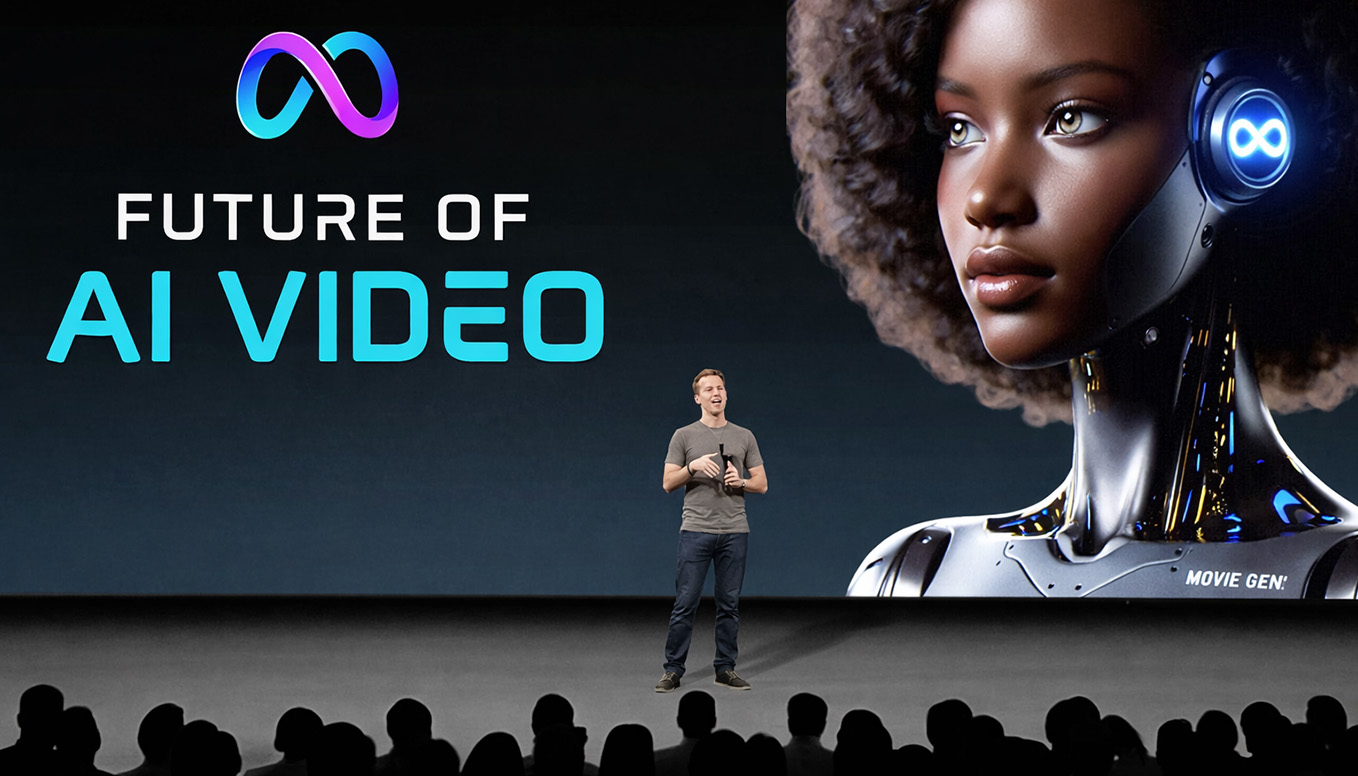
The Unstoppable Rise of Intelligent Video Technology
By 2028, the global market for AI video creation is expected to have grown to $3.5 billion at an astounding 23.4% compound annual growth rate. This rapid expansion indicates a fundamental change in how people produce, consume, and think about visual material rather than only a fad. AI video technology is breaking down conventional production constraints and creating previously unheard-of creative opportunities, from automated educational materials to customized marketing campaigns.
The AI video revolution is arguably the most visually significant of the many changes that have occurred in the digital realm. What started out as rudimentary computer-generated animations has developed into incredibly lifelike synthetic media with contextual awareness, emotional expression, and convincing human portrayal. This technology advancement is significant because it transforms video from a resource-intensive production into an on-demand creative tool, radically altering the economics, accessibility, and possibilities of visual storytelling.
Why the Market Is Racing Toward AI Video Solutions:
The shift to AI video production is a result of both market need and technology improvement. A fascinating story is shown by the statistics:
Three converging factors drive this adoption surge:
1.Content Consumption Evolution
- Short-form video dominance: TikTok, Instagram Reels, and YouTube Shorts have rewired audience expectations
- Personalization demand: 72% of consumers now expect customized content experiences
- Platform algorithms: Social networks increasingly prioritize native video with strong engagement metrics
2.Production Resource Constraints
- Talent shortages: 68% of marketing teams report difficulty finding affordable video production talent
- Budget limitations: Traditional video costs $1,200-$5,000 per finished minute versus $15-$150 for AI alternatives
- Time pressures: The average content calendar requires 8-12 videos monthly—impossible with traditional methods
3.Technological Accessibility
- No-code interfaces: Drag-and-drop platforms eliminate technical barriers
- Template ecosystems: Pre-built styles and formats accelerate creation
- Cloud-based workflows: Collaborative tools enable distributed production teams

The Accuracy Breakthrough: Beyond the Uncanny Valley
Subtle flaws in early AI-generated faces caused psychological discomfort; this is referred to as the “uncanny valley.” This obstacle has mostly been removed by today’s sophisticated neural rendering thanks to a number of technological advancements:
Multi-Layered Realism Architecture
Human Perception Factors Addressed by Advanced AI Video:
├── Micro-Expressions (40ms+ subtle facial movements)
├── Paralinguistic Signals (voice-implied meaning beyond words)
├── Coherent Lighting (consistent shadow/reflection physics)
├── Context-Aware Gestures (culturally appropriate movements)
└── Emotional Contagion (authentic-feeling emotional states)
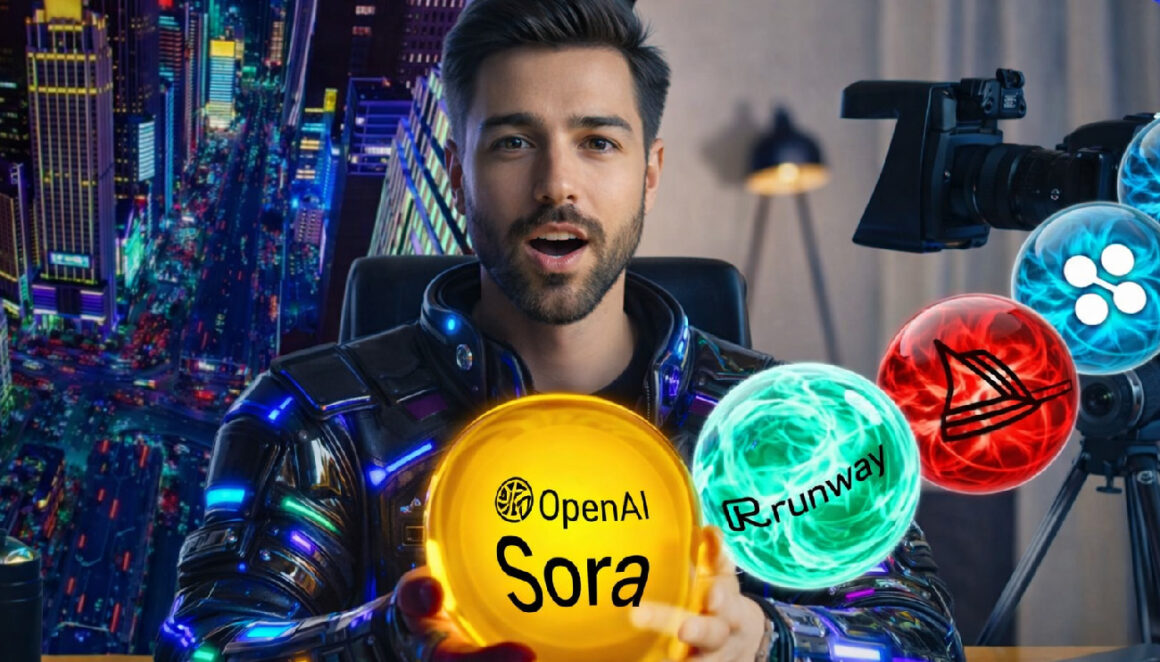
Why AI Video Matters: The Strategic Imperative
Beyond the immediate time and money advantages, AI video production is a strategic requirement for contemporary companies:
1. Algorithms for Meeting Platform
Video content is becoming more and more important in social media platforms’ algorithms. YouTube, Facebook, Instagram, and TikTok all reward regular video posting with increased visibility. This volume is attainable because to AI techniques like JoggAI.
2. Customization on a Big Scale
Consumers of today demand content that is specific to their location, interests, and demographics. Rapid localization and personalization that would be prohibitively expensive with conventional production techniques are made possible with AI video.
3. Differentiation in Competition
While rivals struggle with slower, more costly production cycles, early adopters of cutting-edge AI video technology gain a significant competitive advantage by appearing more regularly in their audience’s feeds with professionally produced material.
4. Optimization Based on Data
AI-generated videos can be immediately A/B tested with various avatars, scripts, and formats, enabling companies to quickly determine what appeals to their target audiences and make the necessary adjustments.
The Future of AI Video:
Based on current development trajectories and user feedback, several trends are shaping AI’s roadmap:
- Enhanced Realism Through Physics-Based Animation
- Emotional Intelligence Integration
- Interactive and Responsive Avatars
- Cross-Platform Content Optimization
Conclusion:
Embracing the Visual Intelligence Revolution
The shift represented by AI video technology goes far beyond cost reductions and efficiency metrics. We are witnessing the democratization of visual storytelling, a transformation comparable to the transfer from cinema to digital or desktop to mobile creation.
For forward-thinking enterprises, the question is no longer whether to use AI video, but rather how to effectively integrate it into creative workflows and revenue models. The competitive benefits are significant: individualized engagement at scale, quick response to platform changes, and creative freedom from technical constraints.
The most effective implementations will strike a balance between technology capabilities and human creativity, with artificial intelligence serving as an enhancement rather than a replacement for true storytelling. They will create ethical frameworks that foster trust with audiences while investigating fresh applications. And they will understand that today’s cutting-edge features are only the basis for tomorrow’s advancements.
As we approach this tipping point, one thing becomes clear: AI video is not simply changing how we make content; it is reinventing what content is. Organizations that recognize and act on this distinction will influence tomorrow’s visual world.