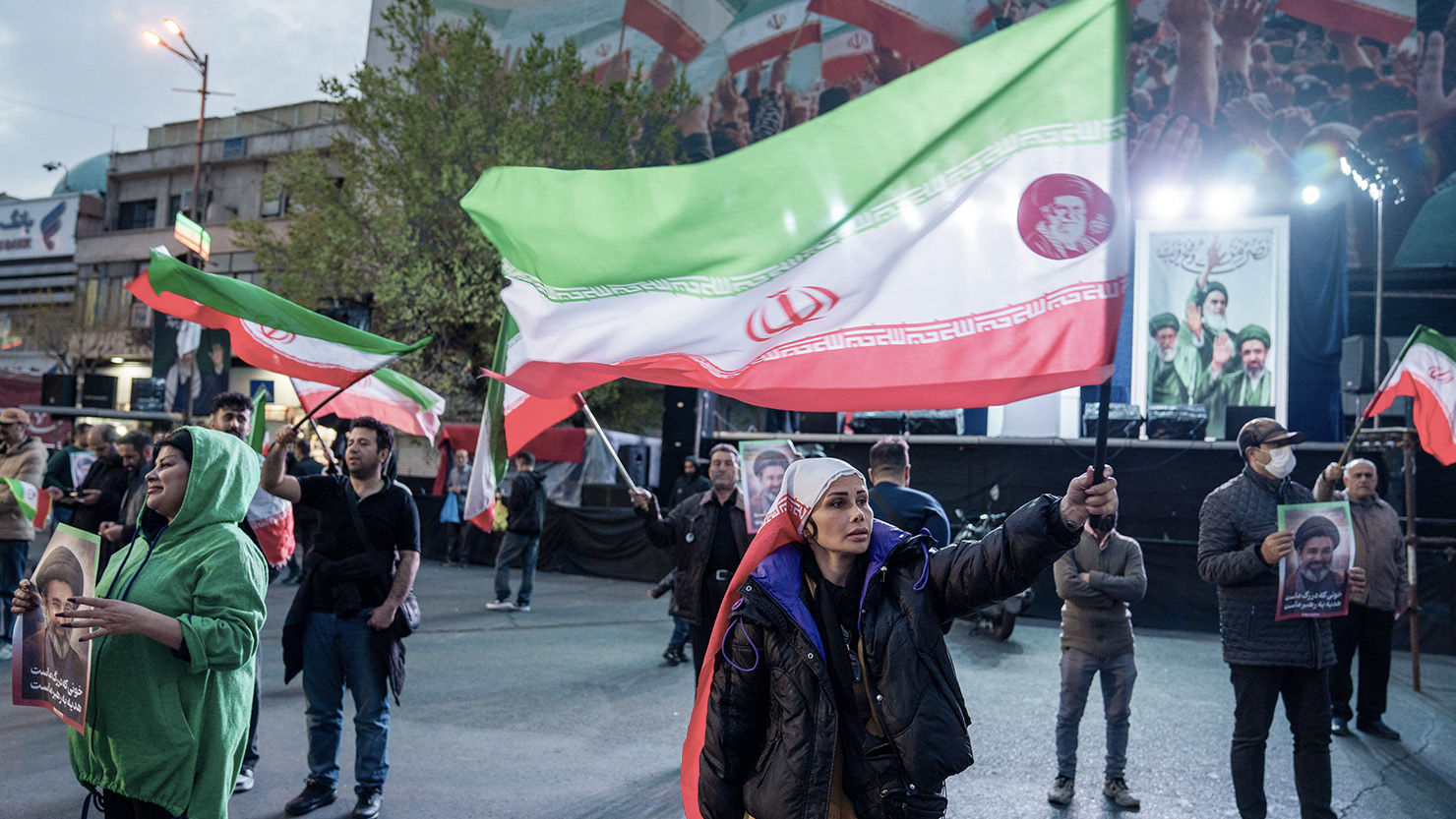
Iran Sets Five Conditions to End War: Strait of Hormuz Control, Reparations & More
🇮🇷 Tehran’s Terms: What Iran Demands to Stop the War
As the conflict between Iran and the US‑Israel alliance enters its 27th day, Tehran has for the first time laid out five concrete conditions to end the war. A senior Iranian security official told the Iranian Students’ News Agency (ISNA) that the Islamic Republic will end hostilities only when its terms are met – and not a moment sooner .
The announcement came after the US presented a 15‑point proposal demanding Iran dismantle its nuclear program, limit missile development, and open the Strait of Hormuz as a free corridor. Iranian officials dismissed the American plan as “excessive, unrealistic, and disconnected from battlefield realities” .
📋 The Five Conditions of Iran
- Complete halt to aggression and assassinations by the enemy (no more strikes or targeted killings)
- Concrete mechanisms to ensure the war is never reimposed on Iran.
- Guaranteed war reparations – clearly defined and paid.
- End of the war across all fronts and for all resistance groups (Hezbollah, Houthis, Iraqi militias)
- International recognition of Iran’s sovereign right to exercise authority over the Strait of Hormuz
The official stressed that these conditions are non‑negotiable and that “Iran will end the war when it decides to do so, not when America wants it to.”
The US wanted to dictate peace. Iran just handed them the bill.
- 🛢️ Control of the Strait of Hormuz
The Strait carries 20% of the world’s oil. Iran already charges ships $2 million for safe passage . Tehran now demands that this authority be formally recognized by the international community – a direct challenge to the US Navy’s decades‑long dominance in the waterway.
- 💰 Reparations & War Guarantees
Iran insists the US and Israel must pay for damage caused during the war and provide ironclad assurances that future aggression will be blocked. This reflects Tehran’s desire to turn its military resilience into a permanent political victory.
- 🔗 Unity of Resistance Fronts
The condition to end the war “across all fronts” ties the fates of Hezbollah in Lebanon, Houthis in Yemen, and Iraqi militias to the overall ceasefire. Iran is leveraging its regional network to ensure that any peace deal covers its allies as well.
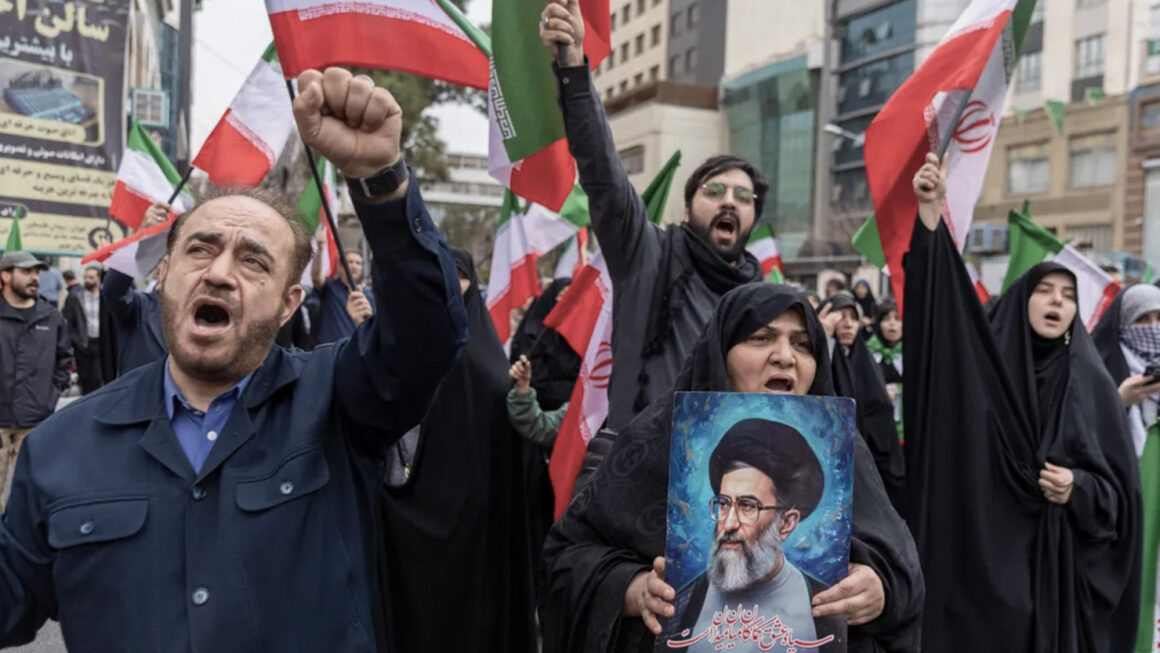
⚔️ The US Rejection & Current Stalemate
The Trump administration has rejected the Iranian terms outright. A senior US official called the demand for reparations “absurd” and said Washington would never recognize Iranian sovereignty over the Strait of Hormuz .
Yet battlefield realities tell a different story:
- US bases in Qatar (Al Udeid), Kuwait (Ali Al Salem), Saudi Arabia (Prince Sultan), and Bahrain have been hit repeatedly .
- Oil prices have surged above $100/barrel, triggering energy emergencies in the Philippines, Cuba, and parts of Asia .
- Texas’ largest refinery (Valero Port Arthur) burned for hours after an explosion, raising global supply fears .
- Cuba suffered its second total blackout in 30 days due to fuel shortages .
- Epstein files – 48,000 pages – remain withheld, and critics say the war was launched to bury the scandal .
- As one Iranian official put it: “Has your inner struggle reached the stage where you’re negotiating with yourself?”
Conclusion:
Iran’s five conditions mark a dramatic shift in the war’s trajectory. What began as a US‑Israeli operation to “obliterate” Iran’s power plants has now become a conflict where Tehran is dictating peace terms. The coming days will determine whether Washington will accept these demands or risk a prolonged war that has already destabilized global energy markets, sparked fuel shortages across Asia, and exposed the fragility of America’s Middle East presence.
From ‘maximum pressure’ to ‘pay us reparations’ — the tables have turned.”.